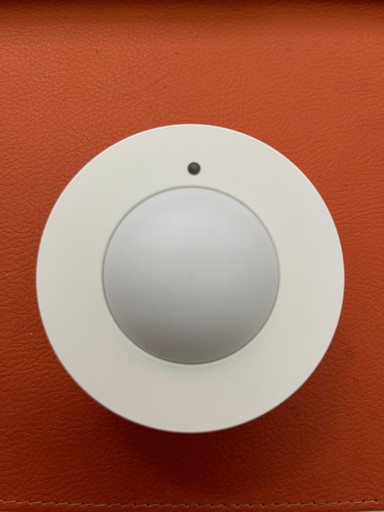
For £7, this is one of the cheapest ways to add a proper Matter motion sensor to Apple Home. I've been running it in my hallway for a little while now, and here's what I've found so far. A full comparison against the Eve Motion and Aqara sensors is coming — this is the early picture.
At a Glance
Price (UK) | £7 |
Standard | Matter over Thread |
Indoor/Outdoor | IP67 |
Power | 2 × AAA (IKEA quotes ~15 months on LADDA AAA HR03) |
Sensors | Motion + light level (illuminance) |
What's in the Box
MYGGSPRAY sensor
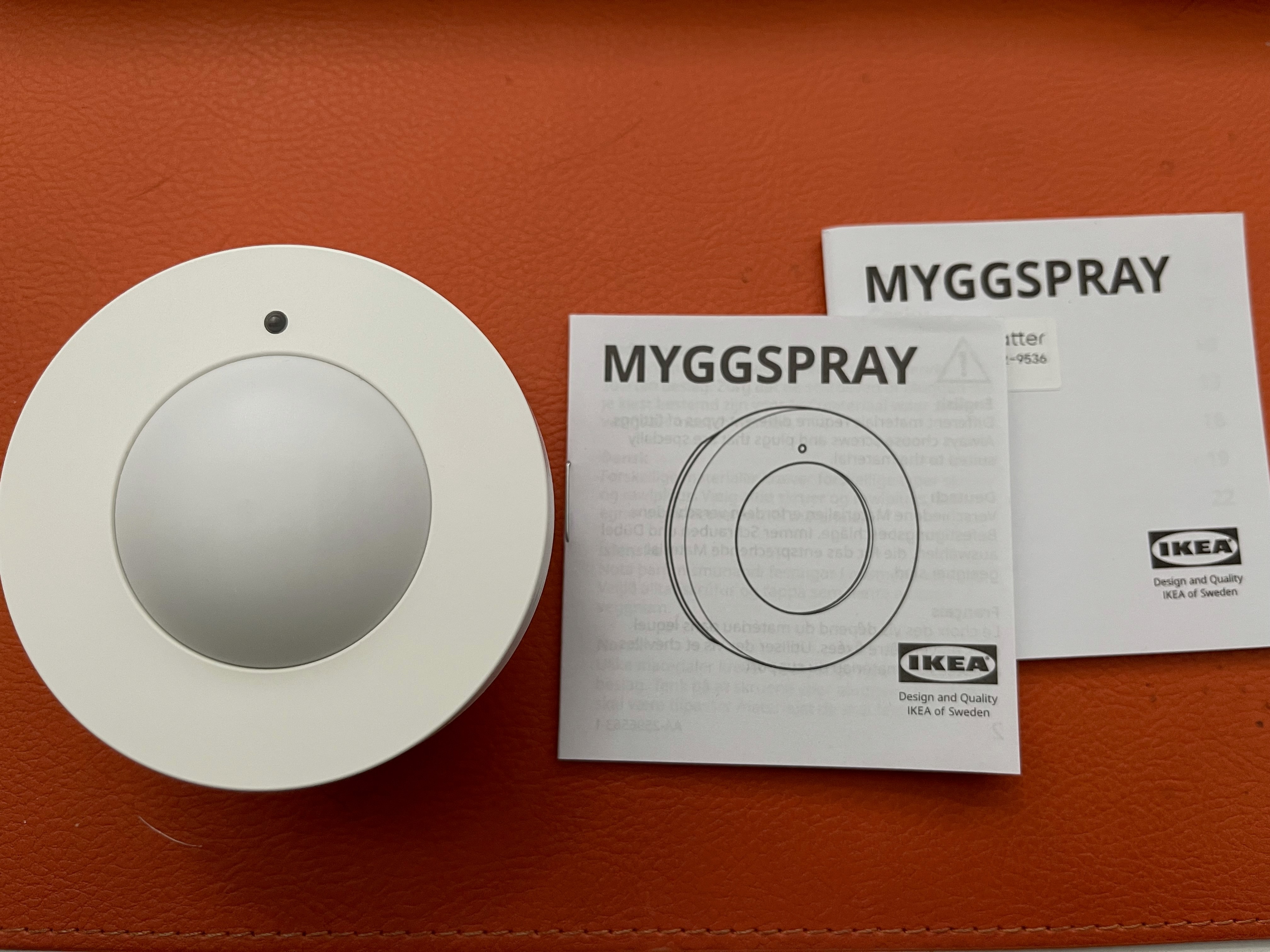
Printed setup info with Matter QR code
Basic documentation
Design
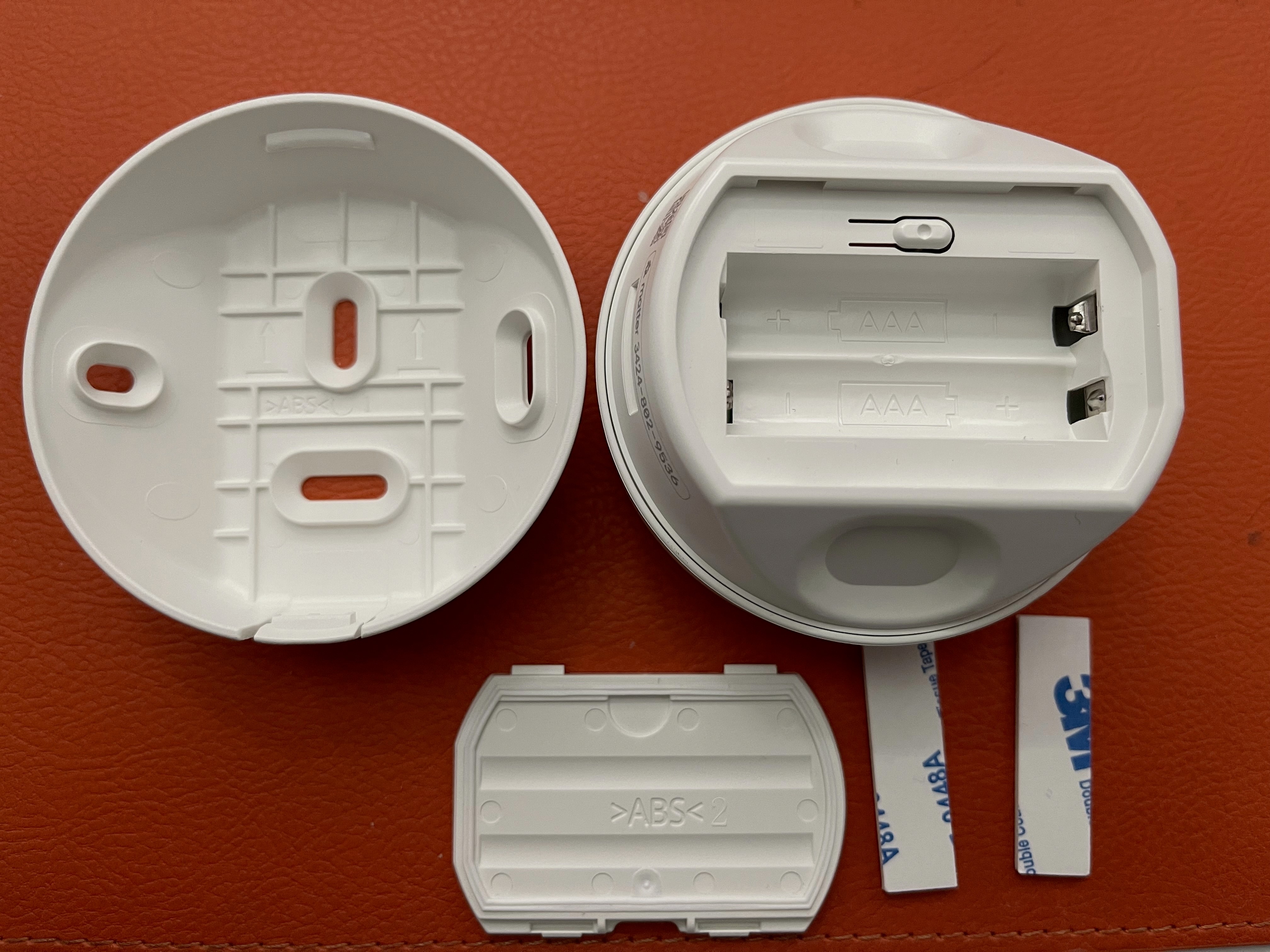
The MYGGSPRAY is a fairly distinctive-looking sensor, though it leans chunky. Remove the back plate and it slims down considerably, but you'll need to use the included 3M adhesive strips for wall mounting rather than the plate's built-in fitting. With the back plate on, the shaped base lets you sit it neatly in a corner — a nice touch for hallways and staircases.
Setup
Pairing is standard Matter. Pry off the back plate, insert the batteries, then scan the QR code to add it to Apple Home. A couple of practical tips:
Use a flat-head screwdriver on the back plate and battery cover — it's tighter than you'd expect.
Do the initial pairing close to your Thread Border Router (HomePod mini, newer HomePod, or Apple TV 4K) so it joins Thread cleanly, then move it to its final location.
There's been some noise recently about IKEA's Matter pairing being unreliable, but I had no issues at all.
What Apple Home Shows
Once paired, Apple Home exposes two things: a motion sensor tile (Motion / No Motion) and a light level reading. Both show up cleanly without any workarounds.
Motion Detection
Detection speed has been genuinely impressive. In my setup it feels faster than the older Onvis Bluetooth sensor it replaced, though the "clear" back to No Motion is slower than I'm used to. Measured cool-down sits at around 25–30 seconds — meaning after you stop moving, the sensor holds a "Motion" state for roughly half a minute before resetting. That's fine for most lighting automations, but if you're used to a snappier reset it can feel a little sticky.
Detection Range
The MYGGSPRAY offers two modes depending on how wide you want coverage:
Up to 10 m (33 ft) at a 60° field of view — longer reach, narrower cone
Up to 5 m (16.5 ft) at a 120° field of view — wider coverage, shorter range
Both are shown in IKEA's assembly diagram. For a hallway or staircase, the narrower 10 m option is the natural fit.
Light Level (Lux)
This is the part that needs more time. The sensor does expose illuminance, and it does show up in Apple Home — but the behaviour is inconsistent right now. Updates can take anywhere from 10 to 30 seconds to register, and I've had occasions where a change in light conditions didn't trigger an automation at all. The reported values also read noticeably lower than my other sensors in the same space.
For now I'd treat it as a rough "is it dark enough?" gate rather than anything precise. I'm continuing to test positioning and will update this as firmware matures.
What Still Needs Testing
Whether lux consistency improves with different placement (height, angle, distance from light sources)
Whether firmware updates address the reporting lag
How it stacks up against the Eve Motion and Aqara sensors in a direct comparison
Verdict
At £7 with Matter over Thread, the MYGGSPRAY is an easy buy for motion-triggered lighting. Detection is fast, range is genuinely useful, and it's been reliable enough to retire the Onvis sensor I'd had at the top of my hallway for years.
The lux sensor is the caveat: inconsistent updates, low-looking readings, and the occasional missed automation mean I wouldn't build anything critical around it yet. If you're after "turn on the light when someone walks in," it's a bargain. If you need reliable "only when it's dark" logic, give it more time.
Troubleshooting
Slow response or "No Response" in Apple Home — check your Thread Border Router is online (HomePod / Apple TV), pair the sensor close to it initially, and make sure you have reasonable Thread coverage in the sensor's final location.
Lux automations not triggering — allow for up to 30 seconds of lag, reposition the sensor away from direct light fixtures, and use illuminance as a coarse gate rather than a precise trigger.
Red LED on the sensor — low battery. Replace both AAA cells.
Full comparison with Eve Motion and Aqara coming soon.
Fun fact: MYGGSPRAY literally means "mosquito spray" in Swedish.
NEXT UP (READ THESE NEXT):
Convert Home Automations to Shortcuts (and Make Automations Feel Smarter)
Home Automation: Motion Detection.
FEEDBACK:
If this guide helped please let me know by completing the How useful did you find this? poll below.





More in
Reviews
IKEA timmerflotte review: The Best Budget Temperature and Humidity Sensor for Apple Home?
Reviews
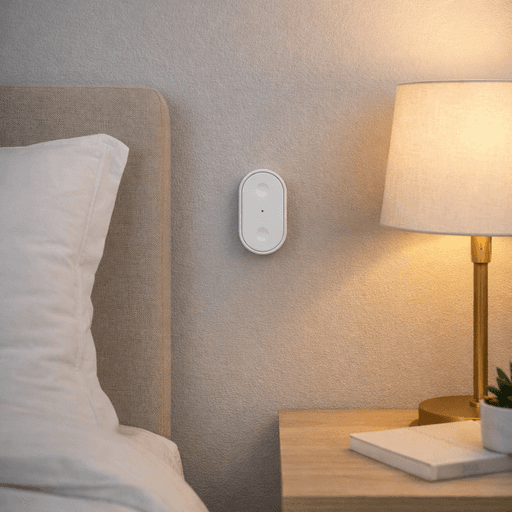
IKEA BILRESA Dual Button Remote (Matter) - First Impressions in Apple Home
Reviews
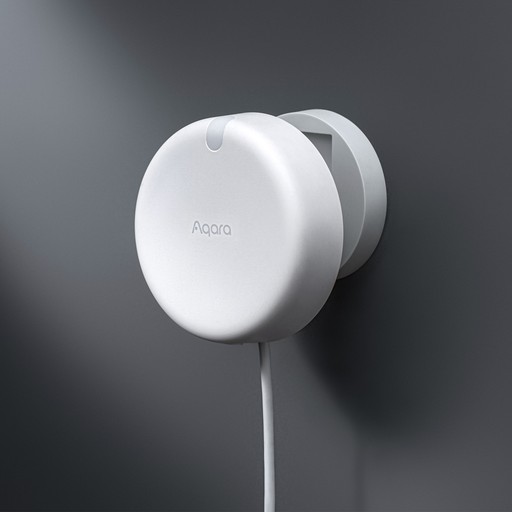
Aqara FP2 Presence Sensor – 1 Year Later (Zones, Ghosting, and What I’d Buy Now)

Reviews
Review: Eve Motion Sensor

Reviews
Review: Onvis SMS1 Motion Sensor
Reviews
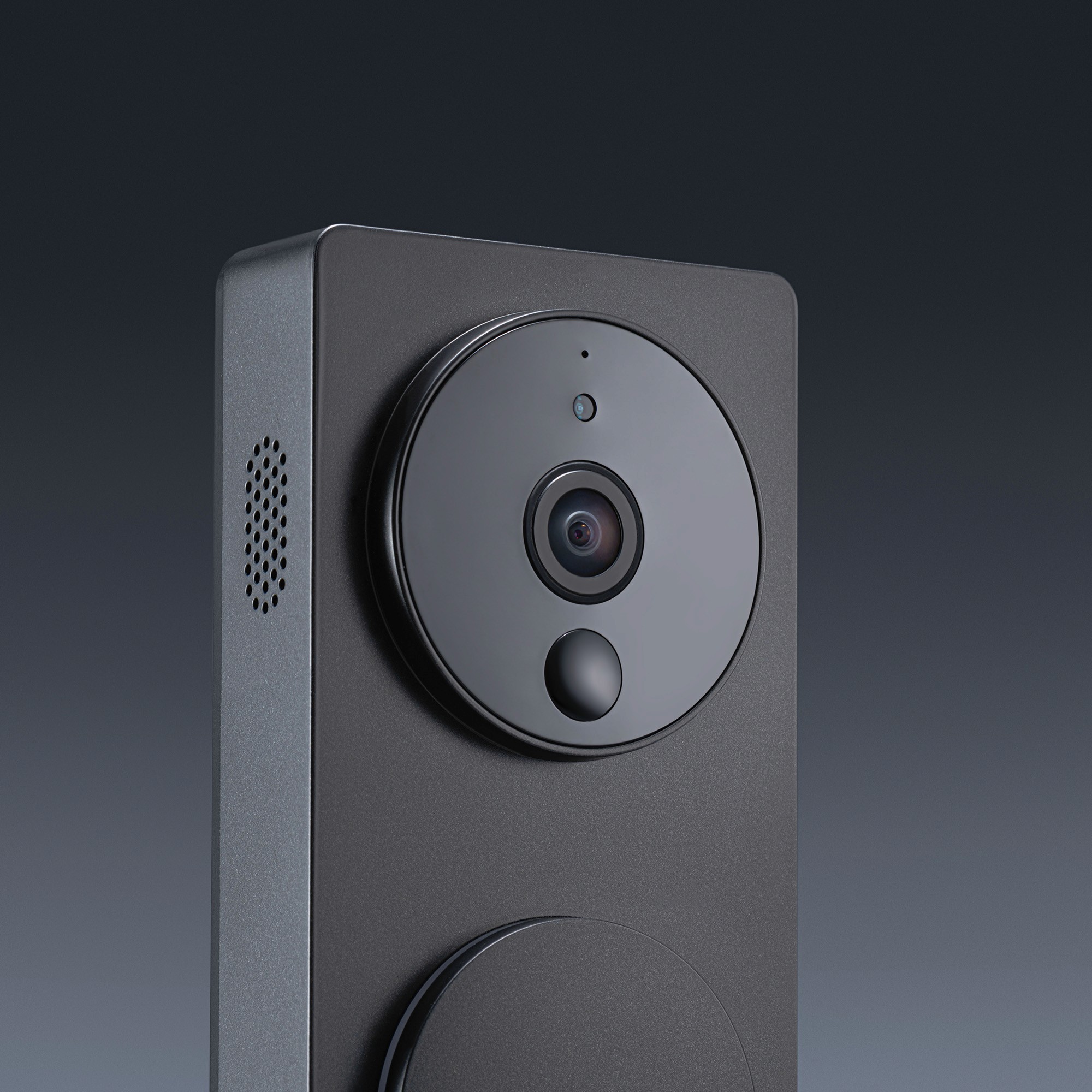
Aqara G4 Doorbell
Reviews
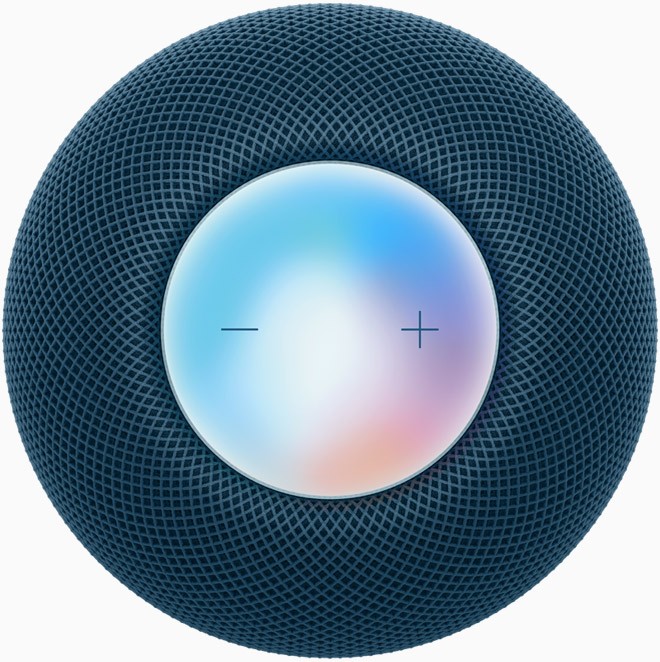
HomePod Software Update 18.2

Reviews
Aqara Door and Window Sensor

Reviews